NEWS
詳細【高齢化する東北の未来へ】住まい・仕事・福祉・観光をつなぐ――蔵王福祉の森構想とガイアグループの挑戦
2026年11月7日付の河北新報オンラインは、2025年国勢調査の分析として、東北の旧市町村400地域のうち、70地域で年齢中位数が65歳以上になったと報じました。年齢中位数は、人口を年齢順に並べたときの中央の年齢であり、平均年齢とは異なる指標です。[1]
この報道を、ガイアグループは、地域の暮らしを支える仕組みを改めて考える問いとして受け止めています。
高齢者が多いことそのものを、地域の弱さと捉えるべきではありません。問われているのは、年齢を重ねても安心して暮らせる環境と、希望に応じて地域に関われる機会をつくれるかどうかです。
私たちが進めてきた「蔵王福祉の森構想」は、まさにこの課題に向き合う地域づくりです。
福祉だけに、地域の課題を背負わせない
厚生労働省が2024年に公表した、第9期介護保険事業計画に基づく推計では、必要な介護職員数は2026年度に約240万人、2040年度に約272万人とされています。これは必要人数の推計であり、実際に確保された人数ではありません。[2]
介護人材の確保は重要です。しかし、介護施設を整えるだけで、地域の暮らしの課題すべてを解決できるわけではありません。
働く人が住む家はあるか。食事や買い物に困らないか。医療につながれるか。移動の手段や、気軽に話せる相手はいるか。
私たちは、住まい、仕事、食、医療・福祉、移動、交流を切り離さずに考えることが、人口減少・高齢化に向き合う地域づくりには必要だと考えています。
原点は、住民の「ここで暮らし続けたい」という思い
ガイアグループの地域づくりの原点は、約20年前に始まった蔵王の別荘地再生と、住民の皆さまとの対話にあります。空き家や建物の維持管理だけでなく、年齢を重ねた後も安心して暮らせるかという不安に向き合ってきました。[3]
その中で育まれた「蔵王福祉の森構想」が大切にしているのは、農村の環境を守り、年齢や障害の有無にかかわらず安心して暮らせること。そして、一人ひとりが自分にふさわしい役割を持てることです。[3]
役割は、長時間働くことだけではありません。経験を伝えること、誰かの話を聞くこと、できる範囲で地域の活動に参加することも、大切な関わり方です。
もちろん、参加や就労を強いるものではありません。役割を持てることと、支援が必要なときに安心して支えられること。その両方を大切にする地域を目指しています。
空き家の再生を、暮らしと仕事の再生へ
ガイアでは、使われなくなった空き家や別荘を、宿泊や居住の場として活用してきました。地域には、医療法人・社会福祉法人などの関係者によって、介護老人保健施設、特別養護老人ホーム、グループホームなどの生活を支える機能も整えられてきました。[4]
宿泊施設の清掃や管理を地域の仕事につなげ、高齢者や障害のある方を含む、多様な人々が関われる場を育ててきたことも、その実践の一つです。[3]
私たちが目指しているのは、空き家が使われるようになることだけではありません。
建物に用途が生まれ、地域に仕事が生まれ、そこで暮らす選択肢が増える。
不動産の再生を、暮らしの継続につなげることに意味があると考えています。
食堂、カフェ、コンビニも、地域を支える拠点に
「ざおう食堂」「さかい珈琲 蔵王山水苑前店」「ファミリーマート蔵王遠刈田店」は、地域の住民や旅行者が利用する、食事と買い物の拠点です。さかい珈琲では、子ども食堂、高齢者の見守り、農福連携など、食と交流を通じた取り組みも進めています。[5]
食事や買い物のために外へ出て、顔見知りと挨拶を交わす。地域の食材を味わい、生産者の仕事に触れる。
私たちは、こうした日常の接点を、孤立を防ぎ、困りごとに気づきやすい関係を育てる機会として大切にしたいと考えています。
一つのお店だけで福祉の役割をすべて担うのではなく、必要なときに専門職や関係機関につなげられる地域へ。商業と福祉を対立させず、それぞれの専門性を生かす連携を目指します。
観光を、地域の暮らしを支える力に変える
ガイアリゾートが取り入れている「アルベルゴ・ディフーゾ」は、地域に点在する宿泊施設や飲食店などが連携して旅行者を迎える考え方です。ガイアリゾート蔵王山水苑エリアは、2025年に世界初の「オスピタリタ・ディフーザ」認証を取得しました。[6][7]

宿に泊まり、地域のお店で食事や買い物を楽しみ、地域の人や文化に出会う。その消費が、地域の仕事や事業の継続を支える力になることを目指しています。
ただし、観光客が増えれば、自動的に介護人材不足や福祉財源の問題が解決するわけではありません。
大切なのは、地域内での調達や雇用につなげ、住民の暮らしを尊重しながら、事業を続けられる仕組みをつくることです。観光のために暮らしがあるのではなく、暮らしを豊かにする観光でありたい。 それが私たちの基本姿勢です。
移住だけに限らない、地域との関わりを増やす
蔵王では、2016年に開設された蔵王移住相談室などを通じ、住まいだけでなく、仕事や地域との関わり方も含めた相談が行われてきました。[4]
これからの地域づくりでは、定住人口に加え、繰り返し訪れる人、二地域居住者、一定期間滞在する人、地域の仕事や活動に関わる人とのつながりも、大切にしたいと考えています。
旅を通じて蔵王を知り、再び訪れ、やがて地域の活動や暮らしに関わる。そうした選択肢を、本人の希望と地域の受け入れ体制に合わせて育てていくことが重要です。
これから広げていきたい、三つの可能性
医療・生活支援へのアクセスを、関係者とともに整える
2026年5月22日、ガイアは株式会社ジェイエムインテグラルと、蔵王エリアの遠隔医療・災害時医療支援に関する包括連携協定を締結しました。オンライン診療の活用や、自治体・医療機関との連携を通じた体制づくりを目指す取り組みです。[8]
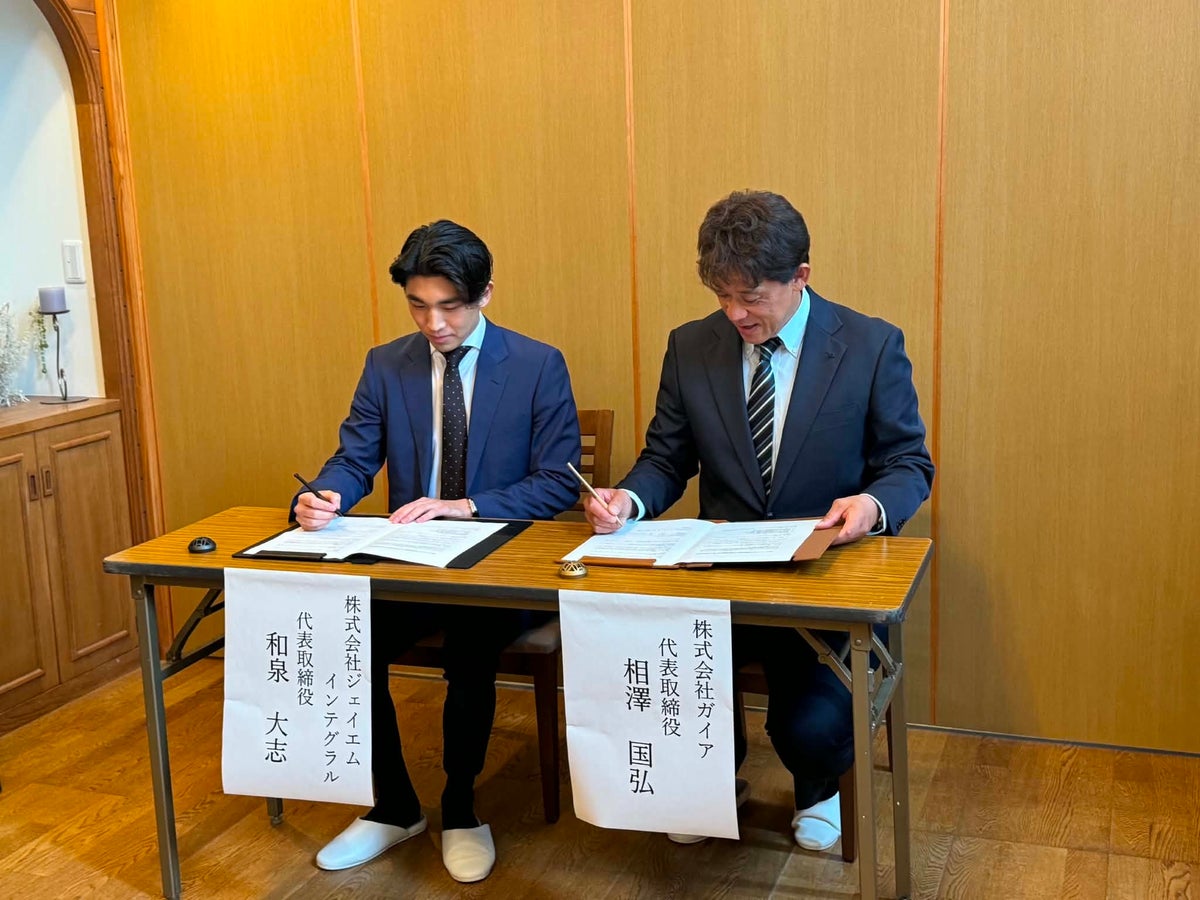
これは、協定締結によってすべての医療サービスが既に提供されているという意味ではありません。専門職による判断と、地域の医療機関との連携を前提に、実情に合った仕組みを検討・整備していくものです。
今後は、相談のしやすさ、移動の負担、デジタル機器に不慣れな方への支援まで含めて、暮らしの側から必要な連携を考えていきたいと考えています。
支える人が、安心して働き続けられる地域へ
医療・福祉を担う専門職の確保と定着には、待遇や働き方に加え、住まい、家族の暮らし、地域とのつながりにも目を向ける必要があると考えています。
ガイアが培ってきた不動産活用や地域事業の経験を、関係者とともに、働く人の生活環境づくりへ生かす可能性があります。
住民の助け合いを、専門的な医療・介護の代わりにするのではありません。専門職の仕事を尊重し、その周囲の暮らしを地域全体で支えることを目指します。
蔵王の経験を、各地域に合う形へ
東北の地域ごとに、人口構成、交通、産業、地形、冬の生活条件は異なります。同じ施設や事業を、そのまま移すだけでは十分ではありません。
まず住民の声を聞き、既存の事業者や資源を確認し、その地域に必要な小さな連携から始める。ガイアは、その過程をともに考えるパートナーでありたいと思います。
今後の取り組みでは、売上や宿泊者数だけでなく、仕事の継続、空き家の活用、地域内の取引、住民の安心感や満足度にも目を向け、成果と課題を確かめながら改善していくことが重要です。
人口が減っても、地域の未来を諦めない
今回の報道は、ガイアの取り組みだけで東北の課題を解決できることを意味するものではありません。しかし、住まい、仕事、食、医療・福祉、観光をつなぐ地域づくりの必要性を、改めて考える機会になりました。
高齢の方が安心して暮らせること。若い世代が仕事と生活の見通しを持てること。支援が必要な方も、自分らしく地域と関われること。
それらを、別々の目標にしない。
ないものを嘆くだけでなく、あるものをつなぐ。一人の力に頼るのではなく、地域の皆さまと支え合う。
ガイアグループは「蔵王福祉の森構想」を原点に、自治体、医療・福祉関係者、地域企業、生産者、住民の皆さまとともに、人口減少の時代にも安心と生きる喜びのある地域を育ててまいります。
人口分析の数値は、河北新報オンライン2026年11月7日付「老いる東北 旧市町村70地域で人口の半数が65歳以上 2025年国勢調査を分析」の記載に基づきます。本記事の地域づくりに関する見解・展望はガイアグループのものです。
Building a Future for an Aging Tohoku — Connecting Homes, Work, Care and Tourism through the Zao Forest of Well-being Initiative
A November 7, 2026 article in Kahoku Shimpo reported that, based on its analysis of the 2025 census, 70 of Tohoku’s 400 pre-merger municipal areas had a median age of at least 65. Median age is the midpoint of an age-ordered population, not its average age.[1]
For GAIA Group, this raises a fundamental question: how should communities organize everyday life as their populations change?
Having more older residents should not, in itself, be seen as a community’s weakness. The challenge is to create a place where people can age with peace of mind and participate in ways that suit their wishes and circumstances.
This is the challenge behind the Zao Forest of Well-being Initiative.
Community Challenges Cannot Be Left to Care Services Alone
A 2024 Ministry of Health, Labour and Welfare estimate, based on Japan’s ninth-term long-term care insurance plans, projected a need for approximately 2.4 million care workers in fiscal 2026 and 2.72 million in fiscal 2040. These are workforce requirements, not numbers of workers already secured.[2]
Recruiting care professionals matters. But care facilities alone cannot meet every need of everyday life.
Are homes available for the people who work locally? Can residents obtain food, reach medical services, travel where they need to go, and find someone to talk to?
We believe housing, employment, food, healthcare, social welfare, transport and human connection need to be considered together.
Beginning with Residents’ Wish to Stay
Our community development work has its roots in the regeneration of Zao’s vacation-home communities and conversations with residents approximately two decades ago. Those conversations concerned not only vacant properties and maintenance, but also whether people could continue living there as they grew older.[3]
The resulting Zao Forest of Well-being Initiative emphasizes preserving the rural environment, enabling people of different ages and abilities to live with peace of mind, and creating opportunities for meaningful roles.[3]
A role need not mean full-time work. Sharing experience, listening to someone, or joining an activity within one’s abilities can also be valuable.
Participation must remain a choice. Opportunities to contribute and the right to receive support when needed belong together.
Turning Vacant Properties into Places to Live and Work
GAIA has reused vacant houses and villas as accommodation and homes. Healthcare and social welfare organizations and other local partners have also helped establish residential care, rehabilitation and group-home services in the area.[4]
Accommodation cleaning and management have created opportunities for local participation, including for older people and people with disabilities.[3]
Our aim goes beyond putting a building back into use. We want renewed buildings to connect with local work and wider choices about where and how people can live.
Restaurants, Cafés and Shops as Community Connections
Zao Shokudo, Sakai Coffee Zao Sansuien-mae and FamilyMart Zao Togatta provide places for residents and visitors to eat and shop. Sakai Coffee has also undertaken community dining for children, activities that help keep an eye on older residents, and collaboration between agriculture and social welfare.[5]
We see everyday encounters at these places as opportunities to build relationships and notice when someone may need help.
A shop cannot replace a care service. Our aim is a community in which ordinary contact can lead to appropriate professional support when needed.
Making Tourism Work for Everyday Life
Albergo Diffuso connects accommodation and local businesses in a shared approach to welcoming visitors. In 2025, the GAIA Resort Zao Sansuien area received the world’s first Ospitalità Diffusa certification.[6][7]
When visitors stay locally, eat at neighborhood restaurants and shop in the community, their spending can help sustain local work and businesses. This is the connection we seek to strengthen.
Tourism growth does not automatically resolve care workforce shortages or pay for all social services. Local employment, purchasing and respect for residents must be built into the approach.
We want tourism to enrich community life—not community life to exist merely for tourism.
More Ways to Build a Relationship with Zao
The Zao Relocation Consultation Office, established in 2016, has supported people considering housing, work and participation in local life.[4]
Alongside permanent residents, we want to welcome repeat visitors, people dividing their time between two places, longer-stay guests, and people contributing to local activities.
A visit may develop into a lasting relationship. We want to nurture those possibilities according to each person’s wishes and the community’s capacity, rather than assume that every visitor will become a resident.
Three Directions for the Future
Improve Access to Healthcare and Everyday Support
On May 22, 2026, GAIA signed a comprehensive cooperation agreement with J-M Integral covering remote healthcare and disaster-related medical support in Zao. The agreement aims to develop arrangements involving online consultations and cooperation with municipalities and medical institutions.[8]
An agreement is not the same as a fully operational service. Development must be guided by healthcare professionals and coordinated with local providers.
Looking ahead, we want to consider practical access: where people can seek advice, how travel burdens might be reduced, and what support is needed by those unfamiliar with digital devices.
Help the People Who Provide Care Remain in the Community
We believe workforce retention requires attention not only to pay and working conditions, but also to housing, family life and local relationships.
GAIA’s property and community-business experience offers possibilities for working with partners on those everyday conditions.
Community assistance should complement—not substitute for—professional healthcare and care work. Our aim is to support the lives around that work.
Adapt Zao’s Experience to Each Community
Different parts of Tohoku have different transport networks, industries, geography and winter conditions. Simply copying facilities or businesses is not enough.
We want to begin by listening to residents, understanding existing organizations and resources, and identifying practical opportunities for collaboration.
Success should be assessed through more than revenue or guest numbers. Sustained employment, property reuse, local trade, residents’ sense of security and satisfaction also deserve attention. Future initiatives should be improved through evidence about both their benefits and limitations.
A Smaller Population Need Not Mean Giving Up on the Future
The Kahoku report does not prove that GAIA’s approach can solve all of Tohoku’s challenges. It does, however, provide a reason to reconsider the importance of connecting homes, work, food, healthcare, social welfare and tourism.
Older people should be able to live with peace of mind. Younger generations should be able to see a future for work and family life. People needing support should be able to remain part of their community.
These should not be separate goals.
Connect what already exists, and build relationships that do not depend on one individual or one organization.
Through the Zao Forest of Well-being Initiative, GAIA Group will continue working with residents, municipalities, healthcare and welfare professionals, local businesses and producers toward communities where security and purpose can endure through demographic change.
Population figures are attributed to Kahoku Shimpo’s November 7, 2026 report. The interpretations and future directions expressed here are GAIA Group’s own.
参考資料 / Sources
[1] 河北新報オンライン/2026年11月7日付「老いる東北 旧市町村70地域で人口の半数が65歳以上 2025年国勢調査を分析」
[2] 厚生労働省|第9期介護保険事業計画に基づく介護職員の必要数
[3] 相澤国弘・地域づくりに関する講演録(制作資料)
[4] 宮城県・みやぎ移住・交流ガイド|蔵王のまちづくりと移住に関するインタビュー(2023年11月6日)
[5] ガイアグループ発表|ファミリーマート蔵王遠刈田店のリニューアルと地域拠点の連携
[6] アルベルゴ・ディフーゾ・インターナショナル極東支部|蔵王山水苑エリアの認証